Japanese cuisine is often celebrated for its balance of simplicity, flavor, and tradition, and few dishes capture these qualities better than Japanese Oyakodonto (Oyakodon), the beloved chicken-and-egg rice bowl. Found everywhere from family kitchens to casual restaurants across Japan, Oyakodon combines tender chicken, softly cooked eggs, onions, and a savory-sweet broth served over steamed rice. Its comforting flavors and straightforward preparation have made it a staple of Japanese home cooking for generations.
More than just a quick meal, Oyakodon reflects the Japanese approach to comfort food—using a handful of everyday ingredients to create something deeply satisfying. Whether you’re exploring Japanese home cooking for the first time or looking for an authentic recipe to add to your collection, Oyakodon is an excellent place to start.
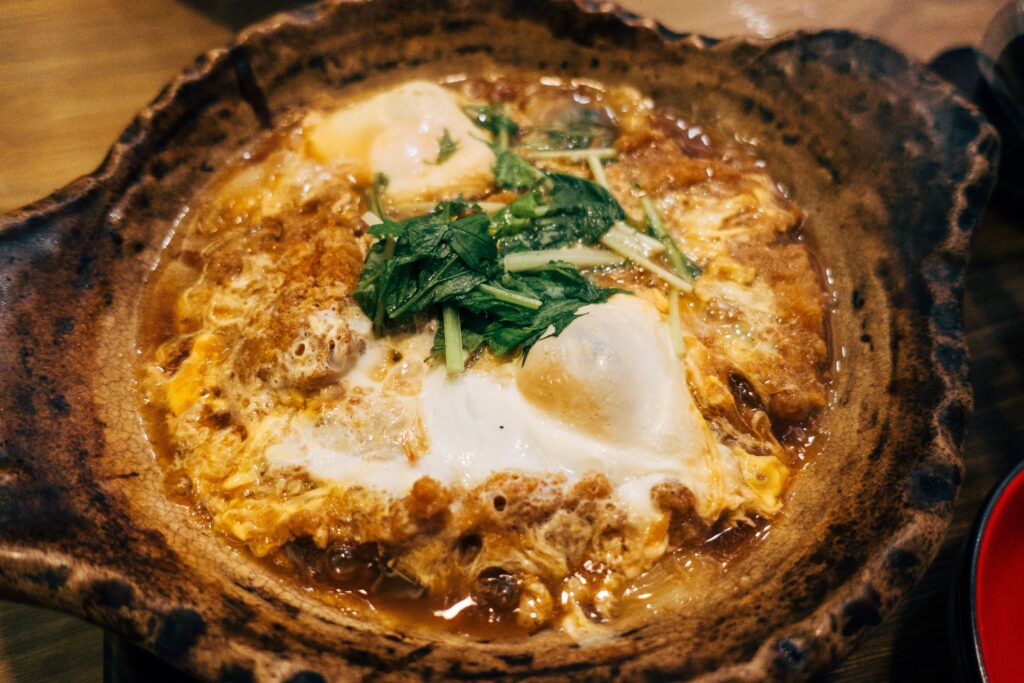
Table of Contents
What Is Oyakodon?
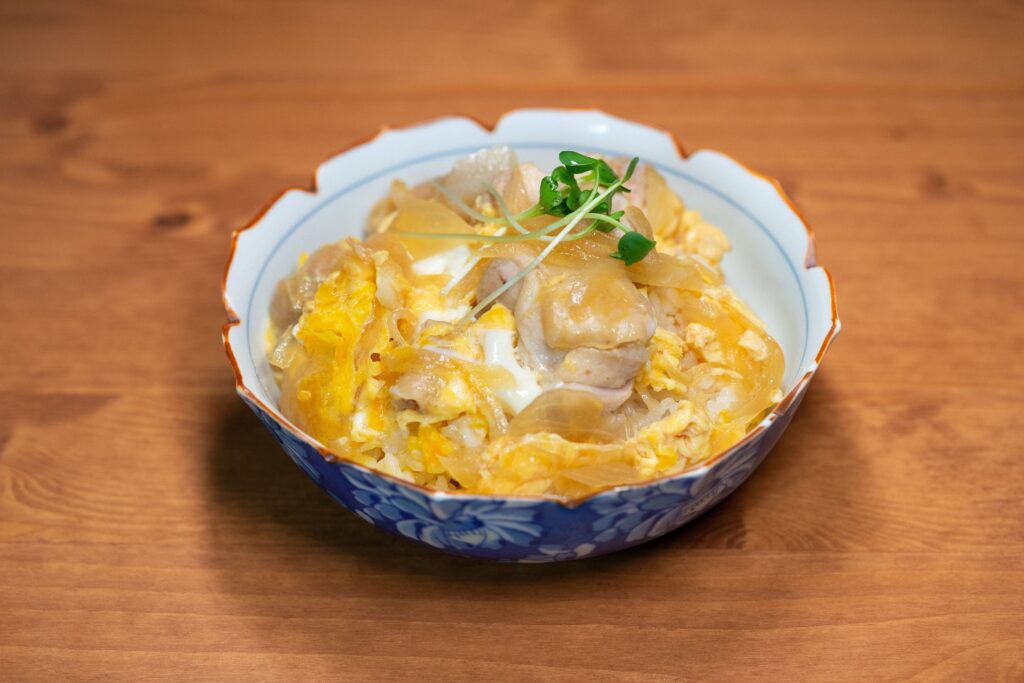
Oyakodon (親子丼) is a traditional Japanese rice bowl dish consisting of chicken and eggs simmered together in a seasoned broth and served over a bowl of steamed rice.
The name “Oyakodon” has a fascinating meaning. In Japanese:
- Oya (親) means “parent”
- Ko (子) means “child”
- Don (丼) refers to a rice bowl dish
Since the dish contains both chicken and egg, it is playfully called the “parent-and-child bowl.”
Today, Oyakodon remains one of Japan’s most popular donburi dishes, valued for its comforting taste, affordability, and ease of preparation.
Origin and Cultural Background
The History of Oyakodon
Oyakodon is believed to have originated in Tokyo during the late 19th century, around the Meiji Era. During this period, Japan experienced significant cultural and culinary changes, including the increased consumption of poultry.
One of the restaurants often credited with popularizing Oyakodon is Tamahide, a historic restaurant in Tokyo established in 1760. Tamahide specialized in chicken dishes and helped bring the now-famous chicken and egg combination into mainstream Japanese dining.
Why Oyakodon Is Important in Japanese Cuisine
Unlike elaborate ceremonial dishes, Oyakodon represents everyday Japanese cooking. It highlights several key principles of Japanese cuisine:
- Seasonal and fresh ingredients
- Balanced flavors
- Minimal waste
- Quick preparation
- Comfort and nourishment
Because it is inexpensive and filling, Oyakodon has become a staple meal for students, workers, and families throughout Japan.
Key Ingredients in Traditional Oyakodon
One reason for Oyakodon’s popularity is its short ingredient list.
Chicken
Boneless chicken thighs are traditionally preferred because they remain juicy and flavorful during cooking. Chicken breast can also be used for a leaner version.
Eggs
Eggs are a defining component of Oyakodon. They are usually cooked gently so they remain soft and slightly runny, creating a silky texture.
Onion
Thinly sliced onions add natural sweetness and depth to the broth.
Dashi
Dashi is a traditional Japanese stock made from ingredients such as kombu (kelp) and bonito flakes. It provides the umami-rich foundation of the dish.
Soy Sauce
Soy sauce contributes saltiness, color, and savory flavor.
Mirin
Mirin, a sweet Japanese rice wine, balances the salty elements and gives the broth a subtle sweetness.
Sugar
A small amount of sugar enhances the sweet-savory profile that characterizes many Japanese dishes.
Steamed Rice
Freshly cooked Japanese short-grain rice serves as the base and absorbs the flavorful broth.
Traditional Oyakodon Recipe
Ingredients
Serves 2
- 2 cups cooked Japanese rice
- 250 g (9 oz) boneless chicken thighs, sliced
- 1 medium onion, thinly sliced
- 3 large eggs
- 1 cup dashi stock
- 2 tablespoons soy sauce
- 2 tablespoons mirin
- 1 teaspoon sugar
- Chopped green onions or mitsuba for garnish
Step-by-Step Preparation
Step 1: Prepare the Broth
In a medium skillet, combine:
- Dashi stock
- Soy sauce
- Mirin
- Sugar
Bring the mixture to a gentle simmer.
Step 2: Cook the Onion
Add the sliced onion to the broth and cook for 3 to 4 minutes until softened.
Step 3: Add the Chicken
Place the chicken pieces into the simmering broth. Cook for about 5 to 7 minutes until the chicken is fully cooked and tender.
Step 4: Add the Eggs
Lightly beat the eggs, leaving some streaks of yolk and white for texture.
Pour the eggs evenly over the chicken and onions.
Cover the pan and cook for 1 to 2 minutes until the eggs are softly set.
Step 5: Assemble the Bowl
Divide the steamed rice between serving bowls.
Carefully spoon the chicken, eggs, onions, and broth over the rice.
Step 6: Garnish and Serve
Top with chopped green onions or mitsuba and serve immediately.
Traditional Preparation Techniques
The Importance of Soft Eggs
One hallmark of authentic Oyakodon is the texture of the eggs. They are intentionally cooked until just set rather than fully firm.
This technique creates a creamy consistency that blends beautifully with the rice.
Cooking in Individual Pans
Many Japanese restaurants prepare Oyakodon in small individual pans. This allows precise control over cooking time and ensures each serving has the ideal balance of ingredients.
Balancing Sweet and Savory Flavors
Traditional Oyakodon relies on harmony rather than strong seasoning. The broth should taste:
- Lightly sweet
- Gently salty
- Rich in umami
No single flavor should overpower the others.
Regional Variations of Oyakodon
Like many classic dishes, Oyakodon has regional and household variations across Japan.
Tokyo-Style Oyakodon
The Tokyo version is considered the standard preparation, featuring chicken, onions, eggs, and a dashi-based broth.
Nagoya Cochin Oyakodon
Nagoya is famous for its premium Cochin chicken breed.
Restaurants often use:
- Nagoya Cochin chicken
- Richer egg yolks
- More intense umami flavors
Charcoal-Grilled Oyakodon
Some specialty restaurants grill the chicken over charcoal before simmering it with the eggs. This adds a smoky flavor that distinguishes it from the traditional version.
Modern Variations
Contemporary cooks sometimes experiment with:
- Mushrooms
- Leeks
- Brown rice
- Extra vegetables
- Alternative proteins
While these versions differ from tradition, they maintain the spirit of the dish.
Interesting Facts About Oyakodon
A Name Full of Meaning
The “parent-and-child” concept is one of the most memorable food names in Japanese cuisine and reflects the dish’s chicken-and-egg combination.
A Popular Lunch Choice
Oyakodon is commonly served in Japanese diners, train stations, and casual restaurants because it can be prepared quickly without sacrificing flavor.
Part of the Donburi Family
Oyakodon belongs to the broader category of donburi, rice bowl dishes topped with various ingredients.
Other popular donburi dishes include:
- Gyudon (beef bowl)
- Katsudon (pork cutlet bowl)
- Tendon (tempura bowl)
Comfort Food Across Generations
Many Japanese families have their own Oyakodon recipes passed down through generations, making it a nostalgic dish for many people.
Culinary Tips for the Best Oyakodon
Use Fresh Eggs
Because the eggs remain soft, freshness significantly affects both flavor and texture.
Choose Chicken Thighs
Chicken thighs provide better moisture and tenderness than chicken breast.
Don’t Overcook the Eggs
The eggs should remain silky and slightly custardy for an authentic experience.
Use Quality Dashi
Homemade dashi offers the most authentic flavor, but high-quality instant dashi can also produce excellent results.
Serve Immediately
Oyakodon tastes best fresh from the pan while the eggs are still soft and the rice is warm.
Serving Suggestions
Oyakodon is often enjoyed as a complete meal on its own, but it pairs beautifully with traditional Japanese side dishes.
Recommended Side Dishes
- Miso soup
- Japanese cucumber salad
- Pickled vegetables (tsukemono)
- Steamed edamame
- Spinach goma-ae (sesame dressing)
Beverage Pairings
Popular beverage choices include:
- Green tea
- Genmaicha (roasted rice tea)
- Barley tea
- Sparkling water
These light drinks complement the delicate flavors of the dish without overwhelming them.
FAQ Section
1. What does Oyakodon mean in Japanese?
Oyakodon translates to “parent-and-child rice bowl.” The name refers to the combination of chicken (parent) and egg (child) served together over rice.
2. Can I make Oyakodon without dashi?
Yes. While dashi provides traditional umami flavor, chicken stock can be used as an alternative. However, the taste will differ slightly from authentic Oyakodon.
3. Is Oyakodon healthy?
Oyakodon can be part of a balanced diet. It contains protein from chicken and eggs, carbohydrates from rice, and relatively simple seasonings. Nutritional values vary depending on ingredients and portion size.
4. What type of rice is best for Oyakodon?
Japanese short-grain rice is traditionally used because its slightly sticky texture holds the toppings and broth well.
5. Can Oyakodon be prepared in advance?
The rice and broth ingredients can be prepared ahead of time, but the eggs are best cooked just before serving to maintain their signature texture.
Conclusion
Oyakodon is a shining example of Japanese comfort food at its finest. With tender chicken, soft eggs, aromatic onions, and a flavorful dashi-based broth served over warm rice, this classic Japanese chicken and egg rice bowl recipe delivers remarkable taste with minimal ingredients.
Its rich history, cultural significance, and straightforward preparation have helped Oyakodon remain a favorite in Japanese households for generations. Whether you’re exploring Japanese cuisine for the first time or expanding your collection of international recipes, Oyakodon offers an approachable and rewarding cooking experience.
Serve it fresh, savor its balance of sweet and savory flavors, and let it inspire your next culinary journey into the diverse and fascinating world of global cuisine.
You might also enjoy: Classic Chinese Fried Rice