Italian cuisine is one of the world’s most beloved culinary traditions, celebrated for its simplicity, fresh ingredients, and deep connection to local culture. From the pasta dishes of central Italy to the seafood specialties of the south, authentic Italian cuisine is much more than pizza and spaghetti. It reflects centuries of history, regional diversity, and a philosophy that values quality ingredients over complicated techniques.
For beginners, understanding authentic Italian food can open the door to a richer appreciation of one of the most influential cuisines on the planet. This guide explores the origins, ingredients, cooking methods, regional variations, and traditions that make Italian cuisine a timeless favorite.
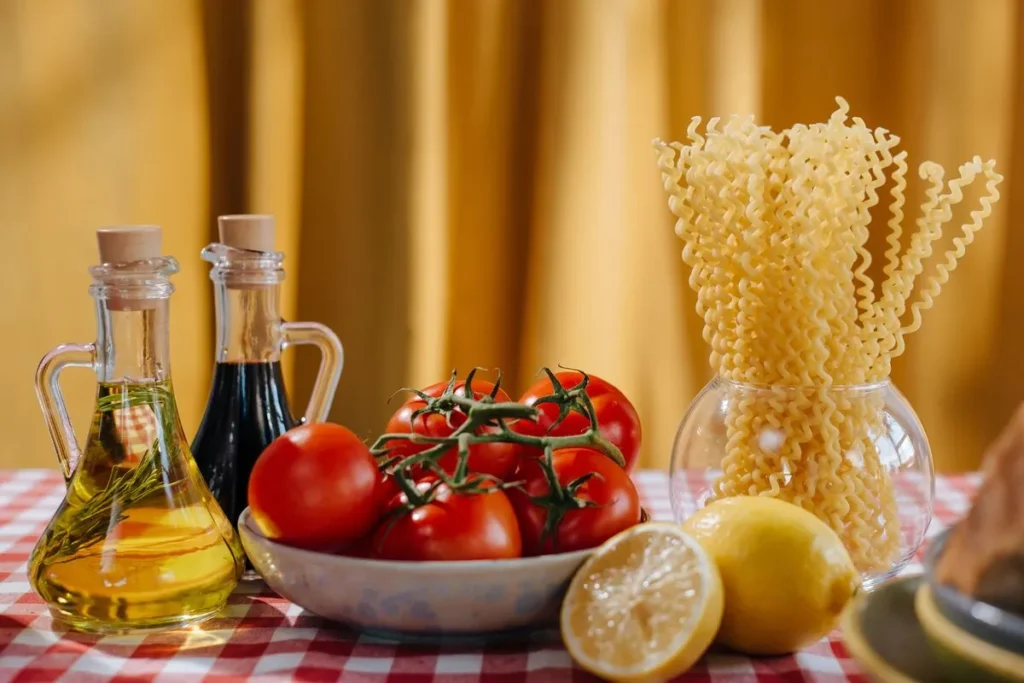
A Beginner’s Guide to Authentic Italian Cuisine
The Origins and Cultural Background of Italian Cuisine
Italian cuisine has evolved over thousands of years, influenced by ancient Romans, Greeks, Arabs, and neighboring European cultures. The country’s strategic position in the Mediterranean made it a crossroads for trade, introducing ingredients such as spices, rice, citrus fruits, and, later, tomatoes from the Americas.
Food in Italy is closely tied to family, community, and local identity. Unlike many modern food trends, traditional Italian cooking emphasizes seasonal produce and recipes passed down through generations.
One important aspect of authentic Italian cuisine is its regional nature. Italy was unified as a nation only in the 19th century, and each region developed unique culinary traditions based on geography, climate, and local resources.
Today, Italian food remains an essential part of everyday life, from leisurely family lunches to festive holiday meals.
What Makes Authentic Italian Cuisine Unique?
Many people associate Italian food with rich sauces and large portions. However, authentic Italian cuisine focuses on balance, simplicity, and ingredient quality.
Key characteristics include:
- Fresh, seasonal ingredients
- Minimal processing
- Regional specialties
- Traditional cooking techniques
- Respect for culinary heritage
- Emphasis on natural flavors
Rather than masking ingredients with heavy seasonings, Italian cooks often let a few carefully selected components shine.
For example, a classic pasta dish may contain only pasta, olive oil, garlic, and fresh herbs, yet deliver remarkable flavor.
Key Ingredients in Authentic Italian Cooking
The foundation of Italian cuisine lies in a handful of versatile ingredients used in countless ways.
Olive Oil
Extra virgin olive oil is one of the most important ingredients in Italian kitchens. It is used for cooking, finishing dishes, and creating dressings.
Different regions produce olive oils with distinct flavor profiles, ranging from mild and buttery to peppery and robust.
Tomatoes
Although tomatoes arrived in Europe after the Columbian Exchange, they became central to Italian cooking, particularly in southern regions.
Popular varieties include:
- San Marzano tomatoes
- Roma tomatoes
- Cherry tomatoes
- Pachino tomatoes
These are commonly used in sauces, soups, and salads.
Pasta
Pasta is perhaps Italy’s most famous culinary contribution.
Common varieties include:
- Spaghetti
- Penne
- Rigatoni
- Fusilli
- Tagliatelle
- Linguine
Different shapes are paired with specific sauces to achieve the ideal texture and flavor balance.
Cheese
Italian cuisine features a remarkable variety of cheeses.
Some of the most popular are:
- Parmigiano Reggiano
- Pecorino Romano
- Mozzarella
- Gorgonzola
- Ricotta
- Provolone
Each serves a distinct culinary purpose.
Fresh Herbs
Italian recipes frequently use herbs such as:
- Basil
- Rosemary
- Sage
- Oregano
- Parsley
- Thyme
Fresh herbs add aroma and freshness without overwhelming the dish.
Rice
Rice is especially important in northern Italy, where it is used to make risotto, one of the country’s most celebrated dishes.
Traditional Preparation Methods
Authentic Italian cuisine relies on techniques that enhance ingredients rather than complicate them.
Slow Simmering
Many sauces are cooked slowly to develop depth and richness.
Examples include:
- Ragù alla Bolognese
- Tomato sauce
- Meat-based stews
Patience is often considered a key ingredient in Italian cooking.
Handmade Pasta
In many households, fresh pasta is still made by hand.
Traditional steps include:
- Mixing flour and eggs
- Kneading the dough
- Resting the dough
- Rolling and shaping
- Cooking briefly in salted water
The result is a texture that differs noticeably from dried pasta.
Wood-Fired Cooking
Wood-fired ovens are famous for producing authentic Neapolitan pizza.
The intense heat creates:
- Crispy edges
- Soft interiors
- Light charring
- Distinct smoky flavor
Grilling and Roasting
Italian cuisine often uses simple grilling and roasting methods for meats, vegetables, and seafood.
These techniques preserve natural flavors while adding depth and texture.
Exploring Italy’s Regional Variations
One of the most fascinating aspects of Italian cuisine is its regional diversity.
Northern Italy
Northern Italy is known for:
- Risotto
- Polenta
- Butter-based dishes
- Truffles
- Rich cheeses
The cooler climate supports dairy farming and rice cultivation.
Signature Dishes
- Risotto alla Milanese
- Ossobuco
- Polenta con Funghi
Central Italy
Central Italy emphasizes rustic flavors and traditional techniques.
Popular ingredients include:
- Pecorino cheese
- Olive oil
- Wild boar
- Lentils
Signature Dishes
- Pasta alla Carbonara
- Cacio e Pepe
- Porchetta
Southern Italy
Southern Italian cuisine features vibrant flavors and Mediterranean influences.
Common ingredients include:
- Tomatoes
- Eggplant
- Seafood
- Citrus fruits
- Olive oil
Signature Dishes
- Pizza Napoletana
- Pasta alla Norma
- Caponata
Sicily
Sicilian cuisine reflects centuries of cultural exchange.
Arab, Greek, and Spanish influences remain evident in many recipes.
Signature Dishes
- Arancini
- Cannoli
- Pasta con le sarde
Popular Italian Dishes Every Beginner Should Know
If you’re new to authentic Italian food, these classics provide an excellent introduction.
Pizza Napoletana
Originating in Naples, this traditional pizza features:
- Thin dough
- Fresh mozzarella
- Tomatoes
- Basil
Its simplicity highlights ingredient quality.
Risotto
This creamy rice dish is slowly cooked with broth and often finished with cheese or seafood.
Lasagna
Layers of pasta, sauce, cheese, and filling create one of Italy’s most recognizable comfort foods.
Carbonara
A Roman specialty traditionally made with:
- Pasta
- Eggs
- Pecorino Romano
- Guanciale
- Black pepper
Authentic recipes do not typically include cream.
Tiramisu
This famous dessert combines:
- Espresso-soaked ladyfingers
- Mascarpone cheese
- Cocoa powder
It remains a favorite worldwide.
Interesting Facts About Italian Cuisine
Italian food culture contains many fascinating traditions.
Tomatoes Were Once Considered Decorative
When tomatoes first arrived in Europe, many people viewed them as ornamental plants rather than food.
Italy Has Hundreds of Pasta Shapes
Experts estimate that Italy has over 300 recognized pasta shapes, each designed for specific sauces and preparations.
Espresso Is a Daily Ritual
Coffee culture is deeply rooted in Italian life, with espresso often enjoyed standing at a café counter.
Regional Pride Runs Deep
Many Italian recipes are fiercely protected by local traditions, and slight changes can spark passionate debates.
Culinary Tips for Cooking Authentic Italian Food at Home
Beginners can improve their Italian cooking with a few simple practices.
Prioritize Ingredient Quality
Choose fresh produce, quality olive oil, and authentic cheeses whenever possible.
Avoid Overcomplicating Recipes
Many traditional Italian dishes contain surprisingly few ingredients.
Salt Pasta Water Properly
Italian chefs often describe pasta water as needing to taste like the sea.
Finish Pasta in the Sauce
Cooking pasta briefly in the sauce helps flavors blend more effectively.
Respect Traditional Pairings
Certain pasta shapes work better with specific sauces. For example:
- Rigatoni pairs well with hearty meat sauces.
- Linguine complements seafood dishes.
- Penne works beautifully with tomato-based sauces.
Serving Suggestions
Italian meals are often served in multiple courses, but beginners can easily create a balanced experience at home.
Starter (Antipasto)
Consider serving:
- Bruschetta
- Marinated vegetables
- Olives
- Cheese platters
Main Course (Primo and Secondo)
Options include:
- Pasta dishes
- Risotto
- Grilled fish
- Roasted chicken
Side Dishes (Contorni)
Popular choices are:
- Roasted vegetables
- Green salads
- Sautéed greens
Dessert (Dolce)
Traditional desserts include:
- Tiramisu
- Panna cotta
- Cannoli
- Gelato
A simple espresso can provide the perfect finishing touch.

FAQ Section
1. What is considered authentic Italian cuisine?
Authentic Italian cuisine refers to traditional recipes and cooking methods rooted in Italy’s regional food cultures. It emphasizes fresh ingredients, seasonal produce, and simple preparation techniques.
2. What are the most important ingredients in Italian cooking?
Olive oil, tomatoes, pasta, cheese, fresh herbs, rice, and seasonal vegetables are among the most essential ingredients used in authentic Italian cuisine.
3. Is Italian food the same throughout Italy?
No. Italian cuisine varies significantly by region. Northern Italy is known for risotto and dairy products, while southern regions often feature tomatoes, olive oil, and seafood.
4. Why is Italian cuisine so popular worldwide?
Italian food is widely appreciated because it combines approachable flavors, high-quality ingredients, and recipes that are both comforting and versatile.
5. Can beginners cook authentic Italian dishes at home?
Yes. Many traditional Italian recipes are beginner-friendly and require only a few ingredients. Focusing on ingredient quality and basic techniques is often more important than advanced culinary skills.
Conclusion
Authentic Italian cuisine is a celebration of simplicity, tradition, and regional diversity. From the olive groves of Tuscany to the bustling streets of Naples and the coastal kitchens of Sicily, every dish tells a story shaped by history, geography, and family heritage.
For beginners, learning about Italian food is not just about mastering recipes—it’s about understanding a culture that values fresh ingredients, careful preparation, and shared meals. By exploring key ingredients, traditional cooking methods, and regional specialties, you can develop a deeper appreciation for one of the world’s most influential culinary traditions.
Whether you start with a classic pasta dish, a homemade pizza, or a traditional dessert, authentic Italian cuisine offers countless opportunities to expand your culinary knowledge. Continue exploring world cuisines to discover the unique flavors, traditions, and stories that make global food culture so fascinating.