Few dishes represent the comfort and versatility of Chinese cuisine quite like classic Chinese fried rice. Found everywhere from family kitchens to bustling restaurants and street food stalls, this simple yet flavorful dish has earned worldwide popularity because it transforms everyday ingredients into something truly satisfying.
Restaurant-style fried rice is known for its light texture, smoky aroma, balanced seasoning, and perfectly separated grains of rice. While it may seem difficult to recreate at home, the secret lies less in complicated ingredients and more in proper preparation and cooking techniques.
In this guide, you’ll discover the origins of Chinese fried rice, the essential ingredients, traditional cooking methods, regional variations, and practical tips that can help you prepare delicious fried rice with authentic restaurant-style flavor in your own kitchen.
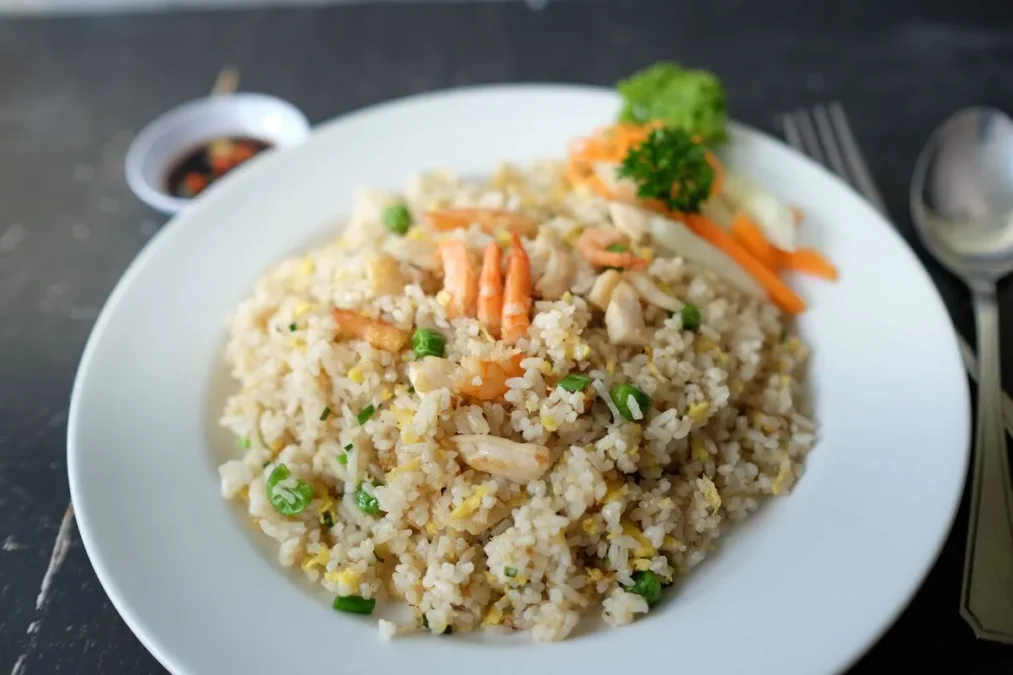
Table of Contents
The Origins of Chinese Fried Rice
Chinese fried rice has a history stretching back more than a thousand years. Many historians trace its beginnings to the Sui Dynasty (581–618 AD), although versions of stir-fried rice likely existed even earlier.
Originally, fried rice was a practical way to use leftover cooked rice. Rather than wasting food, families combined day-old rice with vegetables, eggs, and small amounts of meat to create a filling meal. This approach reflected an important principle in Chinese cooking: making the most of every ingredient while maintaining balance in flavor and texture.
Over centuries, fried rice evolved into countless regional styles throughout China. Today, it remains one of the country’s most recognizable dishes and has inspired variations around the world.
Why Restaurant-Style Fried Rice Tastes Different
Many home cooks wonder why restaurant fried rice tastes richer and has a distinct aroma.
The answer comes down to technique rather than secret ingredients.
Professional chefs typically use:
- Extremely high cooking temperatures
- Carbon steel woks
- Very dry, chilled cooked rice
- Quick stir-frying
- Minimal but well-balanced seasoning
One famous characteristic is “wok hei,” often translated as the “breath of the wok.” This slightly smoky flavor develops when food cooks rapidly over intense heat. While home stoves usually cannot fully replicate this effect, similar results can be achieved using proper cooking methods.
Essential Ingredients for Classic Chinese Fried Rice
Although recipes vary by region and family tradition, several ingredients form the foundation of authentic Chinese fried rice.
Day-Old Rice
This is arguably the most important ingredient.
Freshly cooked rice contains too much moisture, causing fried rice to become sticky or mushy.
Cold rice that has been refrigerated overnight dries slightly, allowing each grain to remain separate during stir-frying.
Long-grain jasmine rice is a popular choice, although medium-grain rice also works well.
Eggs
Eggs add richness, color, and protein while contributing to the dish’s soft texture.
Some cooks scramble the eggs first, while others cook them directly alongside the rice.
Aromatics
Simple aromatics create much of the flavor.
Common choices include:
- Garlic
- Green onions (scallions)
- Ginger (optional in some recipes)
These ingredients provide freshness without overpowering the dish.
Vegetables
Traditional restaurant-style fried rice often includes:
- Peas
- Carrots
- Corn
- Bean sprouts
- Spring onions
The vegetables should remain crisp rather than overcooked.
Protein Options
Classic Chinese fried rice can be prepared with:
- Shrimp
- Chicken
- Roast pork (Char Siu)
- Ham
- Beef
- Tofu
Many traditional recipes also omit meat entirely.
Seasonings
Authentic flavor usually comes from a small number of ingredients:
- Light soy sauce
- Salt
- White pepper
- Sesame oil (used sparingly)
- Oyster sauce (optional, depending on regional style)
Contrary to popular belief, restaurant fried rice is not heavily seasoned with soy sauce. Too much can overwhelm the natural flavors and darken the rice.
Traditional Preparation Methods
Preparing restaurant-style fried rice begins long before the wok is heated.
Step 1: Prepare the Rice
Cook rice several hours—or ideally a day—in advance.
After cooling, refrigerate it uncovered or loosely covered until firm.
Before cooking, gently break apart any clumps with your hands or a fork.
Step 2: Organize Ingredients
Chinese stir-frying moves quickly.
Professional kitchens prepare every ingredient beforehand because there is little time to chop once cooking begins.
Step 3: Heat the Wok
The wok should be extremely hot before oil is added.
High heat helps ingredients cook quickly while preventing excess moisture from building up.
Step 4: Cook in Stages
Most chefs cook fried rice in this order:
- Heat oil.
- Cook eggs.
- Stir-fry aromatics.
- Add vegetables and protein.
- Add rice.
- Season.
- Finish with green onions.
Each ingredient cooks only briefly to preserve texture.
Regional Variations Across China
Chinese cuisine is wonderfully diverse, and fried rice reflects regional preferences.
Yangzhou Fried Rice
Often considered the most famous version, Yangzhou fried rice combines shrimp, ham, eggs, peas, carrots, and green onions.
The emphasis is on colorful ingredients and balanced flavors.
Fujian Fried Rice
Unlike many fried rice dishes, Fujian-style fried rice is often topped with a rich seafood or meat sauce instead of mixing everything together.
This creates a luxurious texture.
Cantonese Fried Rice
Cantonese cooking focuses on fresh ingredients and light seasoning.
Rice remains fluffy with subtle flavors rather than being heavily sauced.
Hokkien-Influenced Styles
Popular in Southeast Asia, Hokkien-inspired fried rice often incorporates seafood, garlic, and stronger savory seasonings while preserving Chinese cooking traditions.
Restaurant-Style Cooking Secrets
Several small techniques make a surprisingly big difference.
Use Cold Rice
Warm rice tends to stick together.
Cold rice separates easily, creating the fluffy texture restaurants achieve.
Avoid Overcrowding
Cooking too much rice at once lowers the pan temperature.
If necessary, prepare fried rice in batches.
Keep Ingredients Dry
Excess moisture creates steam instead of allowing proper stir-frying.
Pat vegetables and proteins dry before cooking.
Use High Heat
High temperatures produce better browning while keeping vegetables crisp.
Season Gradually
Rather than adding large amounts of soy sauce, season lightly and taste as you cook.
Common Mistakes to Avoid
Even experienced home cooks occasionally run into problems.
Avoid these common errors:
- Using freshly cooked rice
- Adding excessive soy sauce
- Cooking on low heat
- Overcooking vegetables
- Stirring too slowly
- Adding too many ingredients at once
- Using too much oil
Simple adjustments often improve the final result dramatically.
Interesting Facts About Chinese Fried Rice
- Fried rice originated as a practical solution for using leftover rice.
- Every Chinese region has its own interpretation of fried rice.
- The famous smoky aroma is known as wok hei.
- Restaurant chefs often complete a serving in just a few minutes.
- Fried rice has inspired countless international versions, from Thai and Indonesian styles to Japanese and Korean adaptations.
Serving Suggestions
Classic Chinese fried rice is incredibly versatile.
Serve it alongside:
- Sweet and sour chicken
- Stir-fried vegetables
- Kung Pao chicken
- Beef with broccoli
- Garlic shrimp
- Steamed dumplings
- Hot and sour soup
- Egg drop soup
For a lighter meal, pair fried rice with steamed vegetables or a fresh cucumber salad.
A garnish of sliced green onions or toasted sesame seeds adds both color and texture.
Culinary Tips for Better Homemade Fried Rice
Small improvements can make homemade fried rice taste remarkably close to restaurant quality.
- Prepare rice one day ahead.
- Use neutral cooking oils with high smoke points.
- Preheat the wok thoroughly.
- Cook ingredients quickly.
- Keep vegetables slightly crisp.
- Taste before adding more seasoning.
- Finish with fresh scallions for brightness.
- Experiment with different proteins while maintaining a balanced ingredient ratio.
With practice, these techniques become second nature and consistently produce excellent results.
Frequently Asked Questions
1. Why is day-old rice better for fried rice?
Day-old rice loses excess moisture in the refrigerator, allowing the grains to remain separate during stir-frying and preventing a sticky texture.
2. What type of rice works best for Chinese fried rice?
Long-grain jasmine rice is a popular choice because it cooks into distinct grains with a pleasant aroma, though medium-grain rice can also work well.
3. Can I make authentic fried rice without a wok?
Yes. A large cast-iron skillet or heavy stainless steel pan can produce excellent results if heated thoroughly before cooking.
4. Why doesn’t restaurant fried rice contain a lot of soy sauce?
Authentic restaurant-style fried rice focuses on the natural flavors of the ingredients. Soy sauce is used sparingly to enhance, not dominate, the dish.
5. Can fried rice be made vegetarian?
Absolutely. Simply omit the meat and use vegetables, eggs, or tofu for a satisfying vegetarian version while keeping the traditional cooking techniques.
Conclusion
Classic Chinese fried rice demonstrates how simple ingredients and thoughtful cooking techniques can create an unforgettable meal. From its centuries-old origins as a practical way to use leftover rice to its place on restaurant menus around the world, this beloved dish continues to showcase the balance, efficiency, and flavor that define Chinese cuisine.
By using chilled rice, cooking over high heat, preparing ingredients in advance, and seasoning with restraint, home cooks can achieve the light, fluffy texture and savory taste associated with restaurant-style fried rice. Whether you prefer a traditional Yangzhou version, a Cantonese-inspired recipe, or your own family variation, mastering these fundamentals opens the door to countless delicious possibilities.
If you enjoy exploring global flavors, be sure to discover more recipes and culinary traditions in our World Cuisine collection, where every dish offers a new opportunity to learn, cook, and appreciate the rich diversity of international food.