Banana bread is usually one of the first things people bake when they’re learning their way around a kitchen — there’s no yeast to manage, no piping technique to master, and it’s famously forgiving. But there’s a real difference between an average loaf and one that stays soft and moist for days, and that difference comes down to a few small choices most beginner recipes skip over. This one walks through those choices so your loaf turns out right the first time.
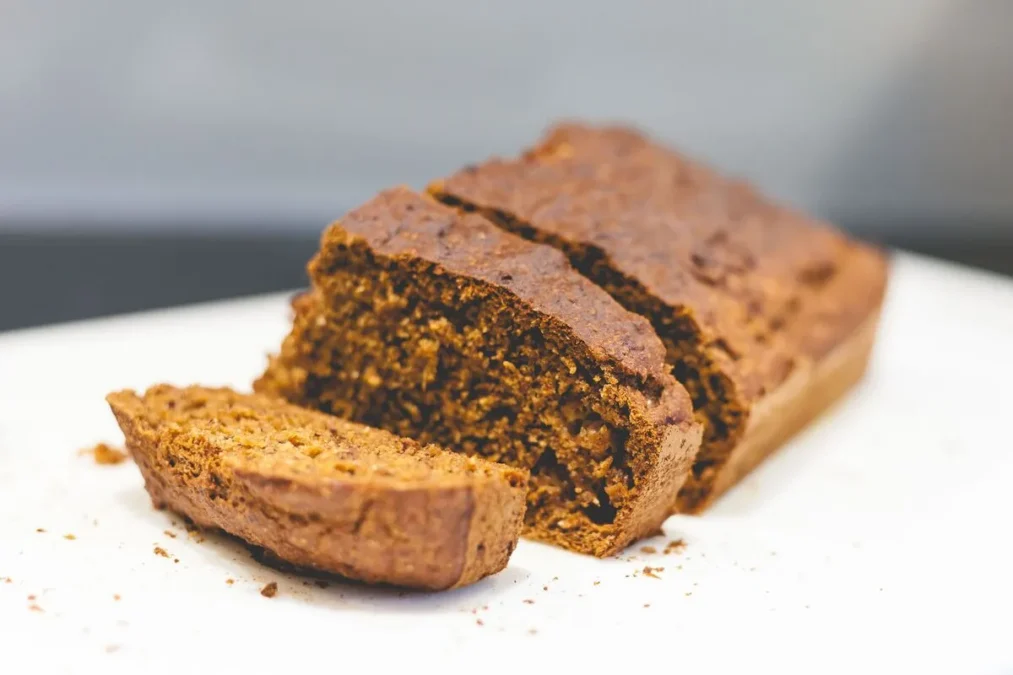
Why This Loaf Stays So Moist
Before jumping into the steps, it helps to understand the three things actually responsible for a moist crumb:
- Overripe bananas. The blacker and spottier the peel, the more natural sugar and moisture the banana has, and the more banana flavor makes it into the bread.
- Not overmixing the batter. Overworked batter develops gluten, which makes bread chewy and dense instead of tender.
- Sour cream or yogurt. This is the ingredient most basic recipes leave out, and it’s the single biggest reason this version stays moist longer than a typical loaf.
Ingredient Checklist
Gather everything below before you start — banana bread comes together quickly once you begin mixing, and it’s easier to measure ingredients calmly than mid-recipe.
| Ingredient | Amount |
|---|---|
| Very ripe bananas, mashed | 3 medium (about 1½ cups) |
| All-purpose flour | 2 cups |
| Baking soda | 1 tsp |
| Salt | ½ tsp |
| Unsalted butter, melted | ½ cup |
| Brown sugar | ¾ cup |
| Eggs | 2 large |
| Vanilla extract | 1 tsp |
| Sour cream or plain yogurt | ¼ cup |
| Ground cinnamon (optional) | ½ tsp |
Beginner tip: If your bananas aren’t ripe enough yet, bake them whole (unpeeled) on a tray at 300°F for about 15–20 minutes until the skins turn black. This softens them and concentrates the sugars almost as well as natural ripening.
How to Make It
Get your oven and pan ready first. Preheat the oven to 350°F and grease a 9×5-inch loaf pan, or line it with parchment paper so the loaf lifts out cleanly once baked.
Mix the dry ingredients separately. In one bowl, whisk together the flour, baking soda, salt, and cinnamon if using. Doing this before you touch the wet ingredients makes sure the baking soda is evenly distributed, which prevents bitter spots in the finished loaf.
Mash the bananas well. A fork or potato masher works fine — you want mostly smooth with a few small lumps left, since those lumps turn into pockets of concentrated banana flavor as the bread bakes.
Combine the wet ingredients. Whisk the melted butter and brown sugar together first, then add the eggs one at a time, followed by the vanilla, sour cream, and mashed bananas.
Bring it together gently. Add the dry ingredients to the wet ingredients and fold with a spatula just until no dry flour streaks remain. This is the step where most beginners go wrong — stop mixing as soon as it looks combined, even if a few small lumps remain. A few extra stirs here is the difference between a tender crumb and a dense, rubbery one.
Bake. Pour the batter into the prepared pan and bake for 55–65 minutes. Check at the 50-minute mark by inserting a toothpick into the center — it should come out with a few moist crumbs clinging to it, not wet batter, but also not completely clean (that usually means it’s slightly overbaked).
Cool before slicing. Let the loaf rest in the pan for 10 minutes, then transfer it to a wire rack to cool completely. Slicing too early lets steam escape and can leave the inside gummy — as tempting as it is, give it at least 30 minutes.
Where Beginners Usually Go Wrong
| Mistake | What It Causes | Fix |
|---|---|---|
| Using barely-ripe bananas | Bland flavor, drier loaf | Wait for heavily spotted, almost black peels |
| Overmixing the batter | Dense, chewy texture | Fold just until flour disappears |
| Skipping the sour cream/yogurt | Loaf dries out within a day | Don’t omit it, even in a pinch |
| Slicing while still warm | Gummy interior | Cool at least 30 minutes before cutting |
| Opening the oven early | Loaf can sink in the middle | Wait until at least the 50-minute mark to check |
A Note on Nutrition
A typical slice of homemade banana bread runs somewhere around 180–240 calories, depending on slice thickness and how much butter and sugar the recipe uses, with the bananas themselves contributing potassium and vitamin B6. Since much of the calorie count comes from added sugar and fat rather than the fruit, it’s best treated as a treat rather than a health food, even though it’s made with real fruit. For a closer look at how banana bread fits into a balanced diet, Healthline’s nutrition breakdown is a solid reference.
Frequently Asked Questions
Can I use frozen bananas?
Yes — thaw them fully first and drain off any excess liquid before mashing, or your batter may turn out too wet.
What can I substitute for sour cream?
Plain Greek yogurt works just as well and adds a similar amount of moisture and slight tang.
Why did my loaf sink in the middle?
This usually means it was slightly underbaked, or the oven door was opened too early during baking, causing the center to collapse before it fully set.
Can I add mix-ins like walnuts or chocolate chips?
Yes — fold in up to ¾ cup of chopped walnuts, pecans, or chocolate chips at the very end, right before pouring the batter into the pan.
Craving something else sweet? Try our Best-Ever Fudgy Brownies with a Crackly, Shiny Top, or for something spiced and comforting, our Baked Cinnamon Apples with Oat Crumble make a great next bake. And you can try The Best Classic Apple Pie