Few dishes represent the heart of Lebanese home cooking as well as a hummus and falafel plate. It’s the kind of meal you’ll find at family tables, casual cafés, and street-side stalls across Lebanon — simple, plant-based, and built on ingredients that have been staples in the Levant for centuries: chickpeas, tahini, olive oil, garlic, and fresh herbs.
This recipe walks through both components from scratch: silky, restaurant-style hummus and crispy, herb-packed falafel, plus the classic sides that turn them into a full plate. If you enjoyed our Beginner’s Guide to Authentic Italian Cuisine, this is another deep dive into a cuisine with centuries of tradition behind it — made approachable for a home kitchen.
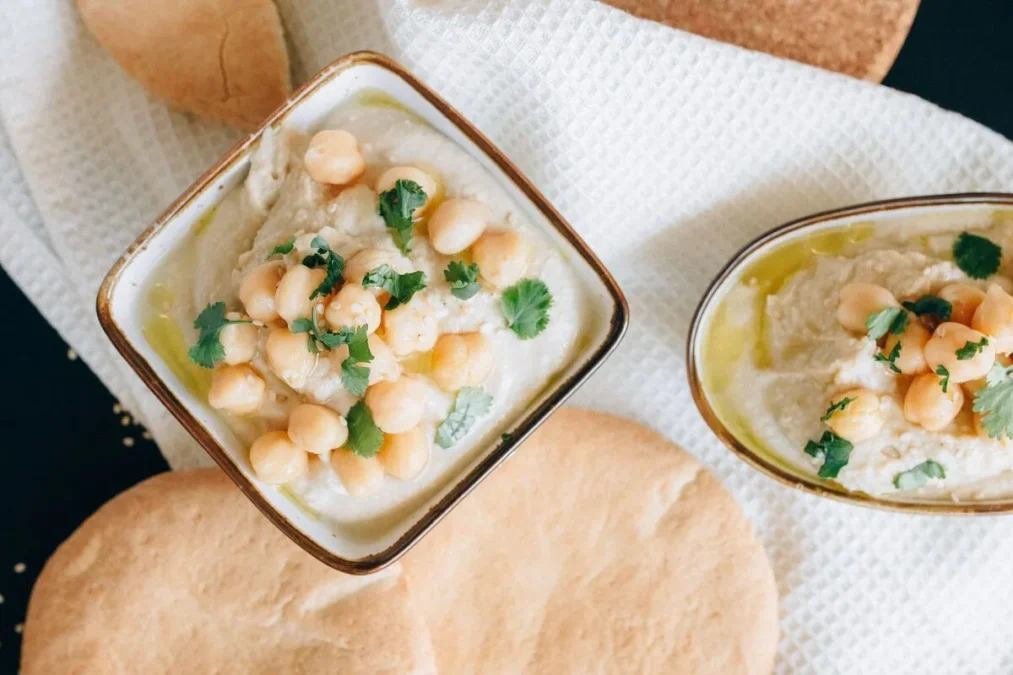
A Quick Note on Authenticity
Lebanese cooking varies by region and household, so there’s no single “correct” version of hummus or falafel — this recipe reflects common, widely used techniques rather than one definitive method. The biggest differences from most Western hummus recipes: real Lebanese hummus leans heavily on tahini and lemon, and traditional falafel is made from dried, soaked chickpeas — never canned — which is what gives it a light, crisp texture instead of a dense, mushy one.
Ingredients
For the Falafel
- 1 cup dried chickpeas (not canned — see note below)
- 1/2 medium onion, roughly chopped
- 4 garlic cloves
- 1 cup fresh parsley, packed
- 1/2 cup fresh cilantro, packed
- 1 teaspoon ground cumin
- 1 teaspoon ground coriander
- 1/2 teaspoon baking soda
- 1 teaspoon salt
- 1/4 teaspoon cayenne pepper (optional)
- 1 tablespoon flour or chickpea flour, if needed to bind
- Vegetable or sunflower oil, for frying
For the Hummus
- 1 1/2 cups cooked chickpeas (canned is fine here, drained)
- 1/3 cup tahini
- 3 tablespoons fresh lemon juice
- 2 garlic cloves
- 3–4 tablespoons ice water
- 2 tablespoons olive oil, plus more for serving
- 1/2 teaspoon ground cumin
- Salt, to taste
For the Plate
- Warm pita bread
- Sliced tomatoes and cucumbers
- Pickled turnips or pickles
- Fresh mint leaves
- Tahini sauce or garlic sauce (toum), for drizzling
- Sumac, for garnish
Step-by-Step Instructions
1. Soak the chickpeas for falafel (the night before)
Place the dried chickpeas in a large bowl, cover with several inches of cold water, and let them soak for 12–24 hours. This is the single most important step for authentic falafel texture — dried, soaked chickpeas fry up light and crisp, while canned chickpeas turn falafel dense and prone to falling apart in the oil.
2. Make the falafel mixture
Drain the soaked chickpeas well and pat them dry. In a food processor, pulse the chickpeas, onion, garlic, parsley, cilantro, cumin, coriander, salt, and cayenne until the mixture is finely ground but not pureed into a paste — it should hold together when pressed but still have some texture. Transfer to a bowl, cover, and refrigerate for at least 30 minutes.
3. Shape and fry
Just before frying, stir the baking soda into the mixture (adding it too early can make the falafel gummy). Shape into small patties or balls, about 1.5 inches wide. Heat about 2 inches of oil in a deep pot to 350°F (175°C) and fry the falafel in batches for 3–4 minutes, until deeply golden brown and crisp. Drain on a paper towel-lined plate.
4. Make the hummus
While the chickpeas for falafel soak, or anytime beforehand, make the hummus. In a food processor, blend the tahini and lemon juice first for about a minute — this step alone makes the hummus noticeably creamier. Add the garlic, cumin, and a pinch of salt, then blend again. Add the chickpeas and process until smooth, streaming in ice water a tablespoon at a time until you reach a light, whipped consistency. Taste and adjust salt and lemon.
5. Plate everything
Spread the hummus on a wide plate, swirling the surface with the back of a spoon. Drizzle with olive oil and a sprinkle of sumac. Arrange the falafel around or on top, and serve with warm pita, sliced vegetables, pickles, fresh mint, and tahini or garlic sauce on the side.
Tips for Beginners
- Never use canned chickpeas for falafel. They hold too much moisture and will make the falafel fall apart in the oil or turn out dense instead of crisp.
- Chill the falafel mixture before frying. A cold mixture holds its shape much better in hot oil.
- Test your oil temperature with one falafel before frying the whole batch — oil that’s too cool will make them greasy, and oil that’s too hot will burn the outside before the inside cooks.
- Blend tahini and lemon juice first when making hummus. This “whipping” step is what gives restaurant-style hummus its light, creamy texture, rather than a thick, pasty one.
Variations
- Baked falafel: For a lighter version, bake at 400°F (200°C) for about 20 minutes, flipping halfway, though the texture will be softer than fried.
- Beet hummus: Blend in a small roasted beet for color and a subtly sweet flavor.
- Spicy falafel: Increase the cayenne or add a chopped fresh chili to the mixture.
- Gluten-free: This recipe is naturally gluten-free as written, as long as you serve it with gluten-free flatbread or skip the pita.
Frequently Asked Questions
Why did my falafel fall apart while frying?
This almost always comes down to using canned chickpeas instead of dried and soaked ones, or frying in oil that isn’t hot enough. Both lead to falafel that absorbs too much oil and breaks apart.
Can I make hummus without tahini?
You can, but it won’t be authentic — tahini is a defining ingredient in traditional Lebanese hummus. If needed, a neutral nut or seed butter can stand in, though the flavor will differ noticeably.
Is this dish vegan?
Yes, both hummus and falafel are naturally vegan, making this a popular plant-based staple across the Middle East.
What’s the nutritional profile of chickpeas?
Chickpeas are a strong source of plant-based protein and fiber. For a detailed nutrition breakdown, see this chickpea nutrition overview from Healthline. For more background on tahini and its role in Middle Eastern cooking, the Oxford Companion to Food is a well-regarded culinary reference.
For general guidance on deep-frying safety at home, including oil temperature and handling, see the National Fire Protection Association’s home frying safety guide.
More World Cuisine Recipes You’ll Love
- The Best Korean Bibimbap Bowl (Easy Beginner Recipe)
- Moroccan Chicken Tagine: Secret Sweet-and-Savory Spicing
- A Beginner’s Guide to Authentic Italian Cuisine
- Delicious Japanese Oyakodon: Comforting Chicken and Egg Bowl
Recipe Card Summary
- Prep time: 30 minutes (plus overnight soaking)
- Cook time: 20 minutes
- Total time: ~50 minutes (plus soaking)
- Servings: 4
- Category: World Cuisine
- Cuisine: Lebanese / Levantine