When people think of Latin American comfort food, tacos, empanadas, and tamales often come to mind first. Yet in El Salvador, one dish holds a special place at family tables, neighborhood markets, and national celebrations: the pupusa.
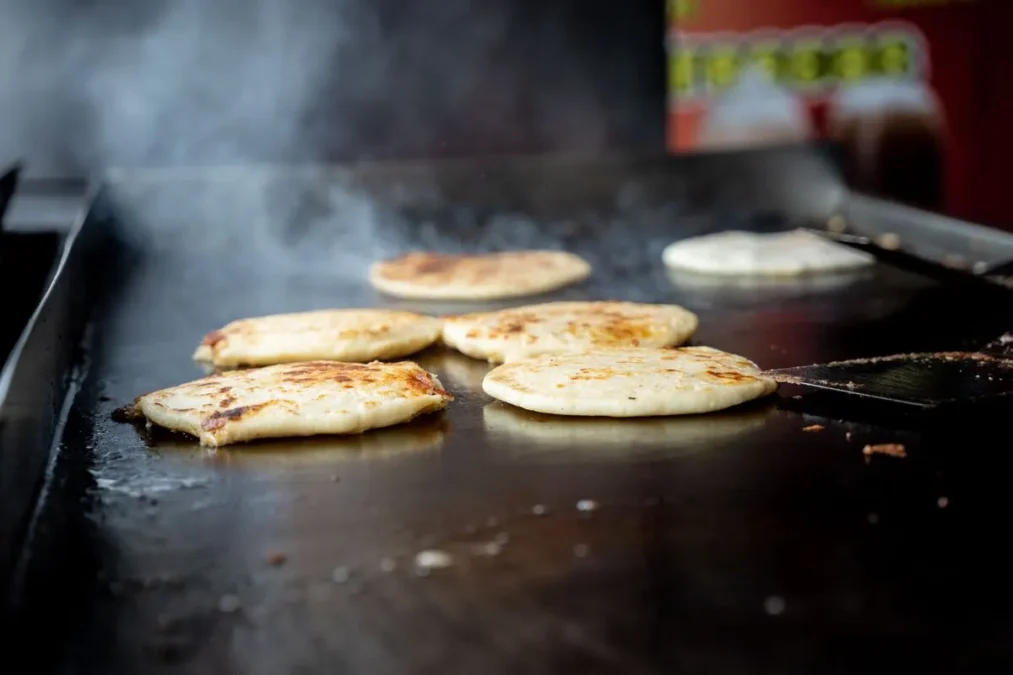
A pupusa is a thick, handmade corn flatbread stuffed with flavorful fillings such as cheese, beans, or pork and cooked on a hot griddle until lightly crisp outside and soft inside. More than just a meal, pupusas represent tradition, community, and generations of culinary knowledge passed from one family to another.
Learning how to make authentic Salvadoran pupusas at home offers a delicious introduction to Central American cuisine while giving home cooks a surprisingly simple recipe that delivers impressive results. Whether you are exploring world cuisines or searching for a new comfort food favorite, pupusas deserve a place in your kitchen.
The Origins of Pupusas and Their Cultural Importance
Pupusas are widely considered the national dish of El Salvador and have deep historical roots that stretch back centuries. Historians believe Indigenous peoples living in the region prepared early versions of stuffed corn cakes long before European contact in the Americas.
Corn has always been central to the food traditions of Central America. Indigenous communities cultivated maize as both a dietary staple and a cultural symbol, making it a natural foundation for dishes like pupusas.
Today, pupusas remain one of the most beloved foods in El Salvador. They are sold in homes, street stalls, restaurants, and specialized eateries known as pupuserías. Families often gather to prepare them together, turning cooking into a social activity as much as a culinary one.
The popularity of Salvadoran communities around the world has also introduced pupusas to new audiences in North America, Europe, and beyond, making them one of the most recognizable foods from Central America.
What Makes Pupusas Different from Other Stuffed Flatbreads?
At first glance, pupusas may resemble arepas, gorditas, or stuffed tortillas. However, several characteristics make them unique.
- The dough is traditionally made from masa harina, a corn flour produced through nixtamalization.
- The filling is sealed inside the dough before cooking rather than added afterward.
- Pupusas are cooked on a dry griddle rather than fried.
- They are almost always served with curtido and salsa roja.
The result is a satisfying combination of crispy edges, soft corn dough, and warm, savory filling.
Key Ingredients for Authentic Salvadoran Pupusas
One reason pupusas have remained popular for generations is their simplicity. Most recipes require only a handful of affordable ingredients.
Masa Harina
Masa harina is the foundation of authentic pupusas. This specially treated corn flour creates the signature texture that cannot easily be replicated with regular cornmeal.
The dough should feel soft, moist, and easy to shape without sticking excessively to your hands.
Cheese
Traditional Salvadoran cheese is soft and mildly salty. Outside El Salvador, cooks often substitute:
- Mozzarella
- Monterey Jack
- Oaxaca cheese
- Queso fresco blends
Cheese pupusas, known as pupusas de queso, are among the most popular varieties.
Refried Beans
Smooth refried red beans add creaminess and earthy flavor. Bean-filled pupusas are called pupusas de frijol.
Many families combine beans with cheese for an especially satisfying filling.
Chicharrón
In Salvadoran cooking, chicharrón for pupusas refers to seasoned ground pork that has been cooked and finely minced into a spreadable filling rather than crispy pork rinds.
The pork mixture often includes:
- Tomatoes
- Garlic
- Onion
- Peppers
- Traditional spices
Water and Salt
These simple ingredients bring the dough together and help create the proper consistency.
Traditional Preparation Methods
Making pupusas by hand is an important part of Salvadoran culinary heritage. While it may seem intimidating at first, beginners often become comfortable after only a few attempts.
Step 1: Prepare the Dough
Mix masa harina with warm water and salt until a soft dough forms. Allow it to rest for several minutes to fully hydrate.
The dough should be:
- Soft but not sticky
- Easy to roll into balls
- Smooth and pliable
Step 2: Prepare the Fillings
Traditional fillings should be fully cooked and cooled before assembly.
Common filling combinations include:
- Cheese only
- Beans only
- Pork only
- Cheese and beans
- Cheese and pork
- Beans, cheese, and pork
Step 3: Shape the Pupusas
Roll the dough into balls approximately the size of a golf ball. Flatten each ball into a small disc and place the filling in the center.
Carefully fold the edges around the filling to seal it completely before gently flattening it again into a thick round cake.
This process requires patience but becomes easier with practice.
Step 4: Cook on a Hot Griddle
Traditionally, pupusas are cooked on a flat griddle known as a comal.
Cook each side for several minutes until:
- Light golden spots appear
- The outside becomes slightly crisp
- The filling heats through completely
The finished pupusa should remain soft and tender while holding its shape.
The Essential Side Dish: Curtido
No authentic pupusa experience is complete without curtido.
Curtido is a lightly fermented cabbage slaw made from:
- Cabbage
- Carrots
- Onion
- Vinegar
- Oregano
Its bright acidity balances the richness of the cheese and pork fillings.
Many Salvadorans prepare curtido a day in advance to allow the flavors to develop fully.
Salsa Roja: The Traditional Companion
Alongside curtido, pupusas are usually served with a mild tomato sauce known as salsa roja.
Unlike spicy hot sauces, salsa roja is typically smooth, savory, and gently seasoned.
Ingredients commonly include:
- Tomatoes
- Onion
- Garlic
- Bell peppers
- Salt
The sauce adds moisture and complements the earthy corn flavor of the pupusas.
Regional Variations Across El Salvador
Like many traditional dishes, pupusas vary depending on region and family traditions.
Pupusas de Arroz
While most pupusas use corn masa, some regions prepare them with rice flour dough.
Rice-based pupusas often develop a crispier exterior and a lighter texture.
Pupusas Revueltas
One of the most popular styles combines pork, cheese, and beans in a single filling.
The name revueltas means “mixed,” reflecting the blend of ingredients.
Loroco Pupusas
Loroco is an edible flower bud native to Central America with a distinctive herbal flavor.
Mixed with cheese, it creates one of the most traditional Salvadoran fillings.
Vegetable Variations
Modern cooks often include vegetables such as:
- Spinach
- Mushrooms
- Zucchini
- Jalapeños
While not always traditional, these adaptations help introduce pupusas to new audiences.
Interesting Facts About Pupusas
National Pupusa Day Is Celebrated Every Year
El Salvador celebrates National Pupusa Day annually, recognizing the dish’s importance to the country’s cultural identity.
Pupusas Are Recognized as Cultural Heritage
The Salvadoran government has officially recognized pupusas as part of the nation’s cultural heritage.
Pupuserías Are Community Gathering Places
In many neighborhoods, local pupuserías function as social centers where friends and families gather for affordable meals and conversation.
Every Family Has Its Own Recipe
Recipes vary from household to household, and many families proudly preserve their own dough techniques and filling combinations.
FAQ Section
1. What is the difference between a pupusa and a tortilla?
A tortilla is typically thin and served as a wrap or side, while a pupusa is thicker and contains filling sealed inside the dough before cooking.
2. Can I make pupusas without masa harina?
Masa harina produces the traditional texture and flavor. Regular cornmeal does not create the same result.
3. What cheese works best for homemade pupusas?
Mozzarella, Monterey Jack, Oaxaca cheese, and queso fresco blends all work well when traditional Salvadoran cheese is unavailable.
4. Can pupusas be frozen?
Yes. Cooked pupusas freeze very well and can be reheated directly from frozen in a skillet or oven.
5. Are pupusas spicy?
Traditional pupusas are generally mild. Heat usually comes from optional sauces or spicy fillings added according to personal preference.
Expert Tips for Making Better Pupusas at Home
Keep Your Hands Slightly Wet
Damp hands prevent the dough from sticking during shaping.
Avoid Overfilling
Too much filling makes sealing difficult and increases the chance of cracks during cooking.
Repair Small Cracks Immediately
If the dough splits, simply pinch it closed before placing it on the griddle.
Use Medium Heat
High heat can burn the outside before the filling warms completely.
Practice Improves Technique
The first few pupusas may not look perfect, but their flavor will still be excellent.
Serving Suggestions
Pupusas are versatile enough to work for lunch, dinner, or casual gatherings.
Popular serving ideas include:
- Traditional curtido and salsa roja
- Black bean salad
- Fresh avocado slices
- Grilled vegetables
- Rice and beans
- Pickled onions
For larger meals, pupusas pair beautifully with grilled meats and fresh tropical fruit drinks.
Why Pupusas Are Perfect for Beginner Home Cooks
Pupusas offer several advantages for cooks exploring world cuisine:
- Affordable ingredients
- Minimal equipment required
- Customizable fillings
- Family-friendly flavors
- Freezer-friendly preparation
Because the recipe is forgiving and adaptable, it provides an excellent introduction to Central American cooking techniques.
Conclusion
Pupusas prove that some of the world’s most memorable dishes are also among the simplest. With humble ingredients, centuries of tradition, and endless possibilities for customization, these stuffed corn flatbreads offer an authentic taste of El Salvador that is both approachable and rewarding for home cooks.
By mastering a basic dough, exploring classic fillings, and serving them with curtido and salsa roja, anyone can recreate this beloved Central American staple at home. More importantly, making pupusas provides an opportunity to connect with a rich culinary tradition that continues to bring people together across generations and borders.
If you enjoyed discovering Salvadoran cuisine, consider exploring more international dishes and regional specialties to expand your culinary horizons one recipe at a time.